
How Server Carts Help Reduce Manual Handling
Moving servers is a routine part of work in manufacturing facilities and data centers. Individual units can weigh 50 pounds or more, making repeated lifting and carrying physically demanding, particularly when space is limited or equipment is difficult to reach.
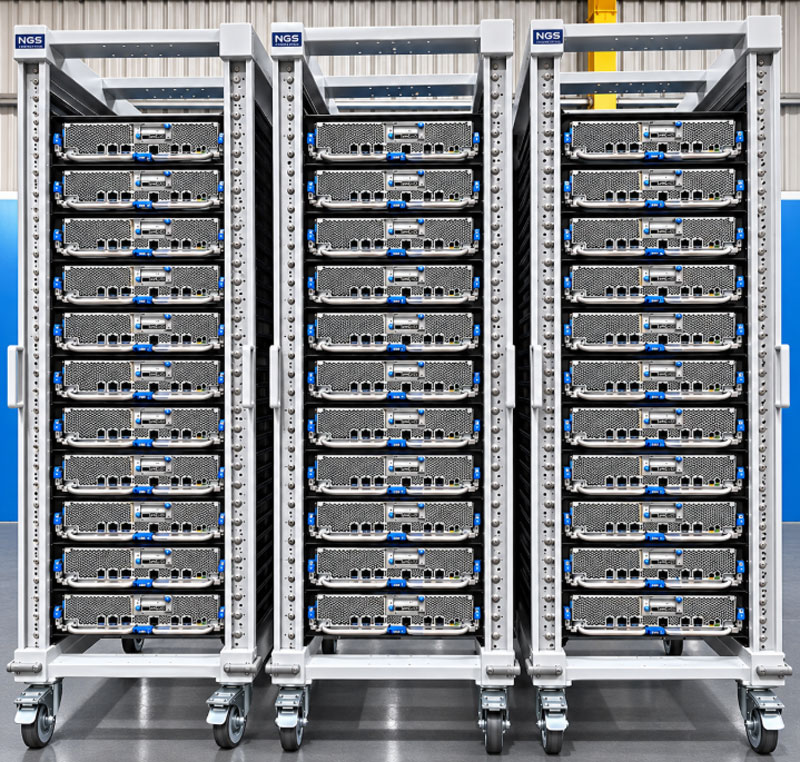
NGS designs and manufactures server transport carts to make this work easier. Used alongside suitable lifting equipment, they help teams move servers between assembly, testing, storage, and installation with less manual handling.
Less Lifting and Carrying
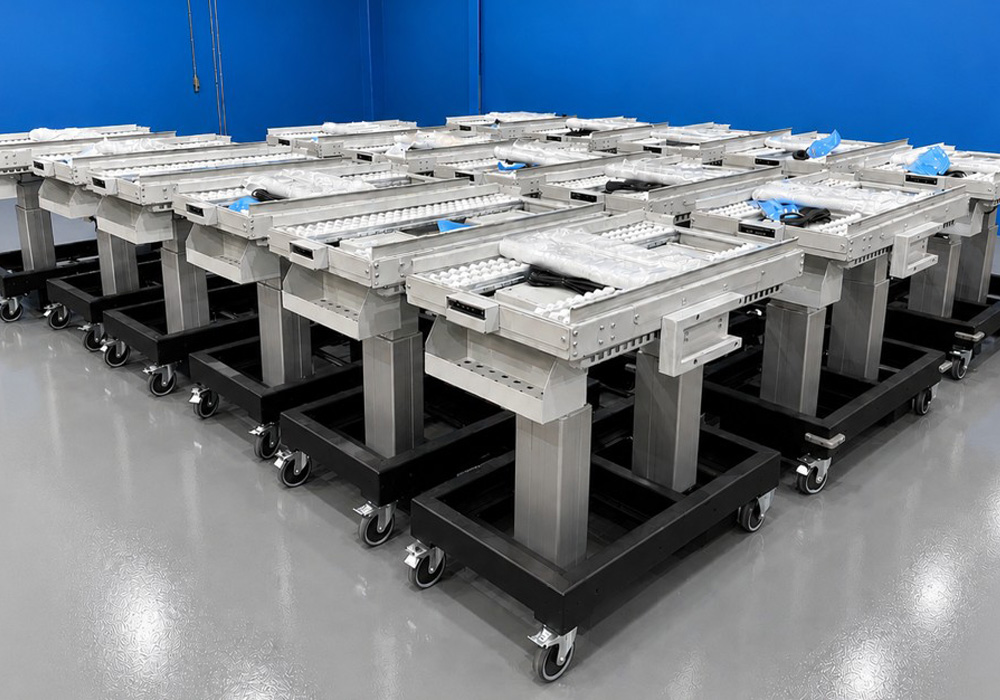
A server cart carries the load during transport. A compatible server lift or paddle lifter helps transfer the server onto the cart and position it where it is needed.
Together, these tools reduce the need for employees to lift and carry heavy equipment by hand. They can also reduce the bending, reaching, and awkward movements involved in moving servers between work areas.
The cart and lifting equipment need to suit both the servers being handled and the way people work within the facility.
Moving More Servers in Fewer Trips
Transporting servers individually takes time and creates extra journeys between work areas. A cart that holds several units allows teams to move equipment together, helping keep assembly, testing, and installation work moving.
Cart capacity depends on the size and weight of the servers, the cart configuration, and its rated load. Wheel selection and floor conditions also affect the effort needed to move a loaded cart.
Choosing the right setup helps teams move equipment efficiently without making the cart difficult to handle.
Designed to Fit the Workplace
A cart needs to work within the space available. Aisle widths, doorways, loading heights, and the points where servers are transferred all influence the design.
NGS can tailor its server carts to customer requirements, including:
- Cart dimensions and server capacity
- Loading heights and shelf spacing
- Wheels suited to the load and floor conditions
- Compatibility with lifting and transfer equipment
This allows the handling process to fit the work being done, whether servers are being assembled on a production line or moved through a data center.
Discuss Your Server Handling Requirements
If your team regularly lifts or carries servers, NGS can help you assess where carts and lifting equipment could make the work easier.
Contact NGS to discuss your equipment sizes, loads, and facility layout, and find a handling solution that suits your operation.
Frequent Questions
The page describes server transport carts and compatible lifting equipment for moving servers through manufacturing facilities, testing areas, storage locations, data centers, and installation environments.
They provide a controlled method for moving heavy servers between workstations, lifts, equipment racks and other handling points while limiting movement and impact risks.
Server carts carry equipment during transport, while server lifts or paddle lifters assist with transferring and positioning units. Together, they reduce hand lifting, carrying, bending, reaching, and awkward movements.
Selection depends on server size and weight, required capacity, cart configuration, rated load, wheel and caster design, floor conditions, aisle widths, doorways, loading heights, and transfer points.
They provide a controlled way to move heavy servers between workstations, lifts, racks, and other handling points while reducing injuries, risks related to impacts, tipping, sliding, accidental drops, and unwanted movement.
The NGS Advantage
Protecting employees and improving productivity are complementary goals.
By combining high-capacity server transport with appropriate mechanical lifting equipment and ergonomic design, NGS helps manufacturers create safer material handling processes while improving the efficiency of their operations.